
Varicose Veins Treatment Using Lasers:Procedure, Price, Recovery Time
There are many aspects you need to consider when making up your mind whether you should receive a varicose vein removal procedure or not. First of all, you have a question of what kind of procedure this is. Then you want to know more details of it, including its cost and what results to expect after it.
These distended veins on your legs may not only look terrible; they are causing pain. They throb in the evening, giving you heaviness in your legs. You may have abandoned the idea of wearing shorts because of your leg veins. Maybe you even consider varicose veins to be an inevitable part of aging.
Here is what you need to know about varicose vein treatment: Almost everyone can walk out from the doctor's office after receiving laser treatment for varicose veins and resume normal activities within days.
Varicose Veins Development: Factors Contributing to Varicose Vein Formation
To be able to determine what causes the formation of varicose veins, it is imperative for one to learn about the workings of their veins. It is a known fact that there is only one thing that your veins can do, and that is move the blood upwards against gravity in your legs.
Endovenous laser treatment (EVLT) is a very effective way to close off veins that are causing problems, but it's important to remember that results can be different for each patient. Most of the time, the vein that was treated stays sealed and is slowly absorbed by the body. This improves circulation and relieves symptoms. But in a small number of patients, the vein that was treated may reopen over time or new varicose veins may form. Long-term outcomes can be affected by things like the health of the veins, the person's lifestyle, and how well they follow post-treatment care.
If these valves become defective, they will be unable to control the blood flow; hence, it becomes impossible to push blood upward towards your heart. Consequently, this leads to blood accumulation in your veins and causes them to swell and dilate. This condition can be called venous insufficiency or venous reflux, while the outward appearance of this condition is varicose veins.
The causes of increased susceptibility to varicose veins can be as follows:
● Genetic predisposition: People who have parents suffering from varicose veins are considered to be at a high risk of experiencing this condition;
● Aging: The older a person is, the weaker his/her valves become.
● Pregnancy: Varicose veins appear when blood volume increases.
● Profession: A profession involving prolonged standing and sitting contributes to the development of veins.
● Obesity: Extra body weight imposes additional strain on veins.
Understanding the cause of varicose veins is very important to treat it correctly.
Varicose Veins Laser Treatment
Varicose veins laser treatment is a type of therapy that involves the use of light rays to treat the problem. This is an intraluminal procedure that results in permanent closure of the veins.
In place of the surgical elimination of the damaged vein, the surgeon inserts a thin filament into it. After its activation, a laser begins producing energy and closing the walls of the blood vessel.
With the damaging of a blood vessel, the organism tries to return to the norm. That is why blood flow passes through other vessels, avoiding the vessel damaged due to the disease. This is good since the patient will gain better circulation due to the process. It can be called the revolutionizing method.
What Is Laser Treatment for Varicose Veins?
Whenever a vein becomes damaged, the body tries to repair the problem. As a result, blood begins flowing through other healthy veins, avoiding the diseased area. Such a procedure is useful since it results in improvement of the patient’s blood flow.
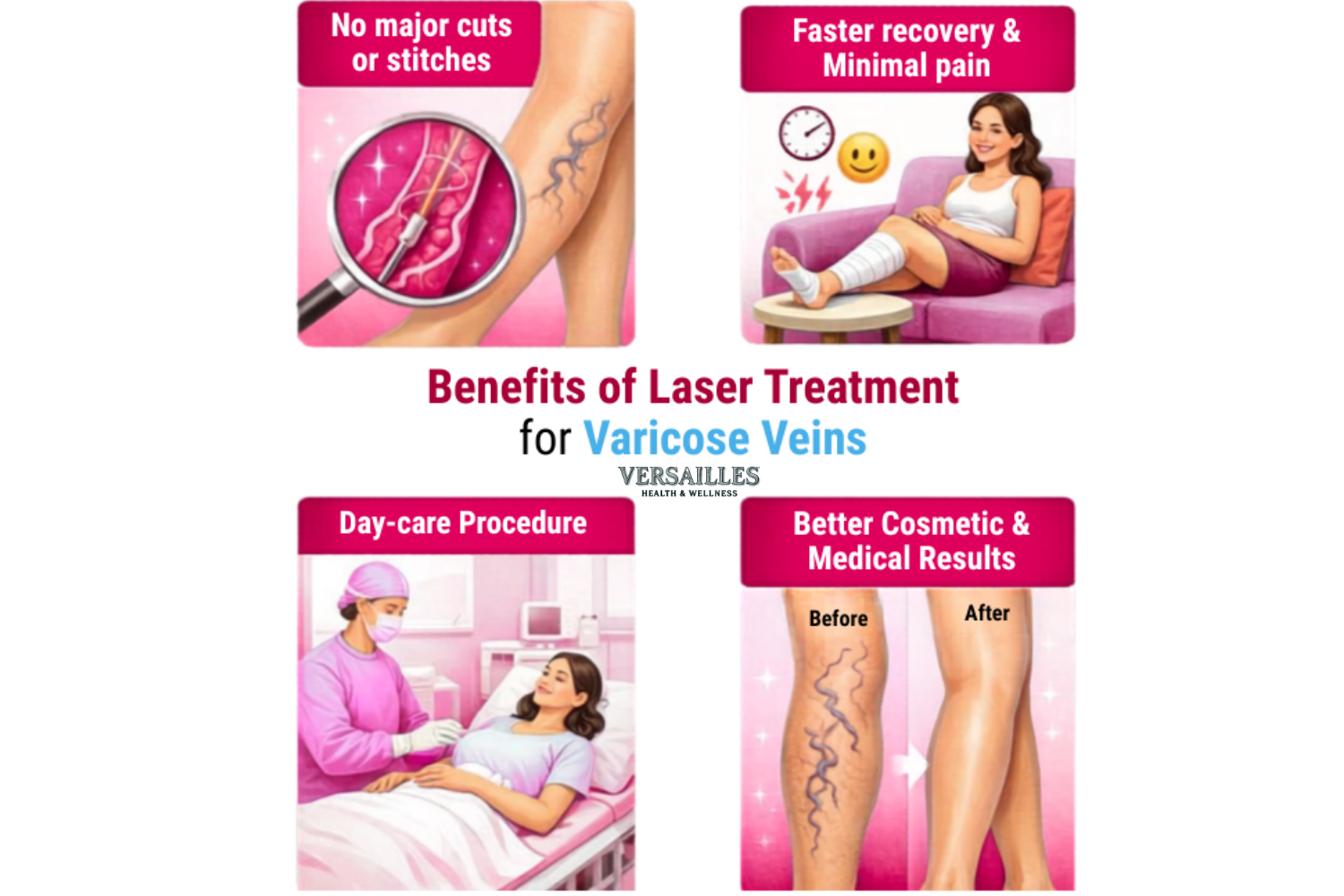
In general, it may be regarded as an innovation. On the one hand, it provides all the advantages of surgical operations. On the other hand, it avoids all risks, discomfort, and inconvenience associated with the traditional operation.
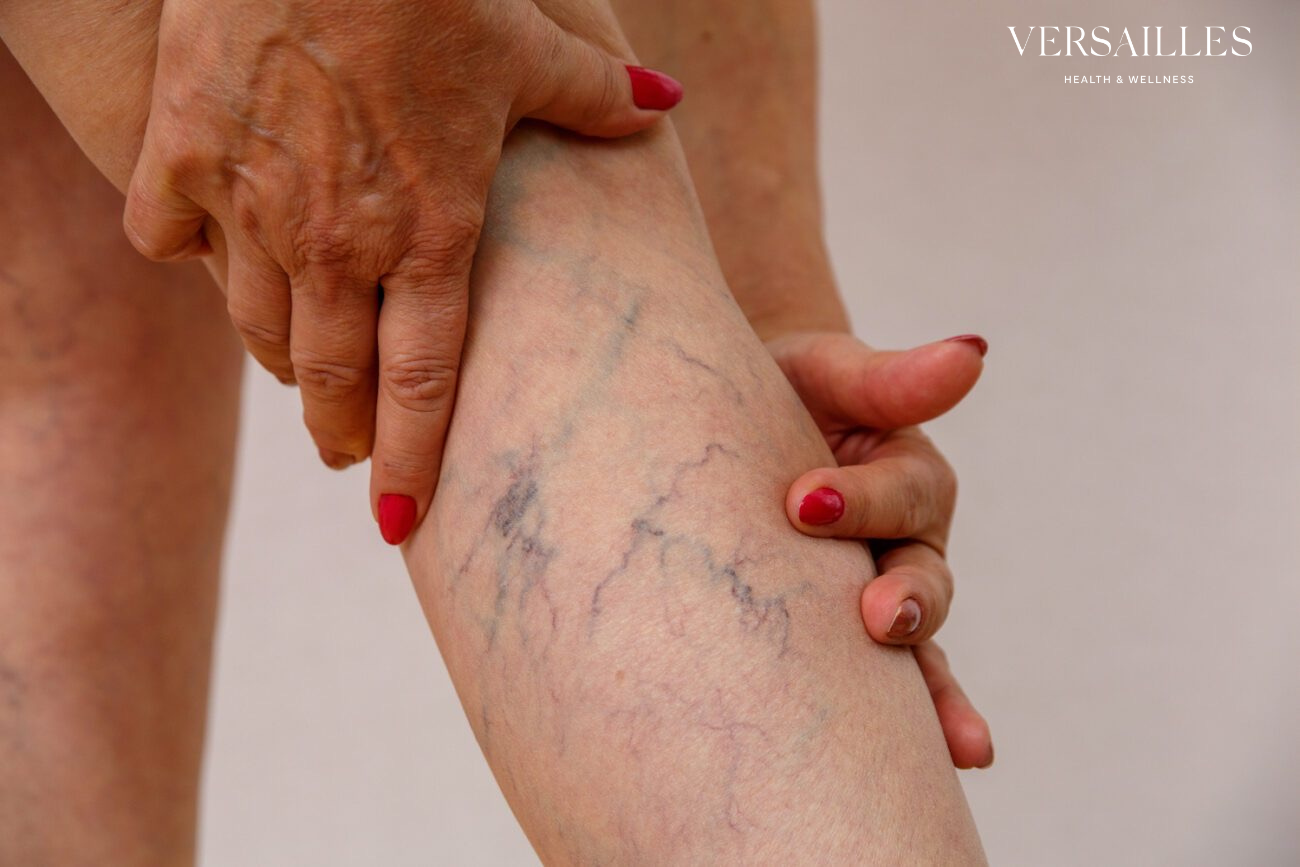
Symptoms of Varicose Veins Therapy
However, varicose veins often lead to daily discomfort that affects the patient’s well-being negatively.
The following signs are reasons why you should consider undergoing treatment:
● Persistent throbbing pain in the legs, especially when standing.
● Feeling of heaviness and tiredness of the legs, which gets worse by the end of the day.
● Ankle and lower leg swelling.
● Tingling sensations close to the varicose veins
● Leg cramping or restless legs during night-time hours
● Changes in the skin color and texture (becomes darkened, hardened, dry) in the areas close to the ankles
● Bleeding of a surface vein due to a bump
Nevertheless, in the absence of treatment, there will be many risks involved, such as skin ulceration, formation of clots in the superficial veins, and permanent damage to the skin. One can easily escape all these risks by seeking medical assistance early on.
What to Expect During the Evaluation?
Evaluation of varicose veins is the key to getting healthy legs. The following are some of the procedures that one should expect at their initial appointment.
● Medical history assessment
The medical practitioner will assess your medical history by asking you about your signs, how long you've had them, what triggers them, and any other medical history in your family. You must tell your medical practitioner about the signs you are experiencing since they are important in determining the treatment needed for the condition.
● Physical examination
You will be required to stand when the physician carries out an inspection of the veins that appear on your legs. He or she will need to know their location, size, and shape. You will be asked to stand because this facilitates the filling of veins with blood, making them more visible.
● Duplex ultrasound
This non-invasive imaging technique provides reliable diagnostic information about valve function. Waves emitted by an ultrasound help identify the direction of blood flow within your veins. Your physician determines the areas with valve dysfunction that should be treated. Ultrasound eliminates other diagnoses such as venous thrombosis, which requires a completely different treatment strategy.
● Treatment Plan
In accordance with the symptoms, examination findings, and ultrasound findings of yours, your doctor will prescribe an ideal treatment plan for you. For some patients, laser treatment alone might be sufficient. For some others, a combination of treatments would work effectively. Hence, you will get customized treatment according to your problem. Insurance options and costs associated with the treatment will also be discussed during consultation.
Step by Step: What Happens During Laser Vein Therapy
Let’s see how it’s done:
● Preparation
Prior to the treatment you will be given directions on what to do and not to do prior to your treatment appointment. That may include things such as which meds to take or avoid in case you are on any medication. In addition, there will be information on what you should not eat and drink prior to the treatment itself. You may want to plan ahead on what you are going to wear on the day of the procedure. Loose trousers or shorts would be advisable as you will be put into compression stockings post procedure.
Should your facility advise, arrange to be driven home. Some can do that while others prefer not to.
● Positioning and Marking
Lying on a comfortable table, your doctor will locate the desired blood vessel using ultrasound. Once identified, the physician will make a marking at the point of access of the vein. Usually, the treatment point is located either above the knee or on the inner side of the upper thigh.
● Giving Anesthesia at the Treatment Area
Anesthetizing yourself makes it more comfortable for you throughout the whole process. Some physicians also prefer to administer tumescent anesthesia. A numbing agent is then inserted into the course of the vein being treated. Such an intervention cushions the surrounding tissue and prevents damage to other vital structures from laser heat.
● Inserting the Laser Fiber
The first step involves puncturing the vein with the needle, creating an opening about as large as an eraser on a standard pen. Following that, a tube (catheter) is inserted into the blood vessel to pass through the laser fiber into the appropriate position under ultrasound visualization.
Next, the catheter is inserted inside the vein or artery for passage of the laser fiber into its correct position using ultrasound visualization.
In the process of insertion, you may experience some pressure and pulling, but with adequate anesthetic, these feelings will not be uncomfortable.
● Starting the laser
Now is when things get really interesting. The laser gets switched on and then the fiber is gradually pulled out of the vein. While it is being pulled out, the laser energy heats up the vessel’s wall in a controlled manner. It is said that most patients describe it as feeling pressure, as if there is something pulling.
● Dressing
After switching off the laser, a bandage will be placed over the puncture site. Compression stockings will then be worn by the patient to facilitate blood vessel function. It can be compared to the effect of a snapped rubber band.
Recovery: The First Hours, Days, and Weeks
Among other things that make laser surgery preferable is rapid recovery. Here is a realistic schedule of how it takes place.
● Almost immediately after
You will be able to leave the office under your own steam. This is good since walking is an excellent exercise that facilitates healing of the wounds. Walking stimulates your circulation, thus reducing the chances of blood clots. Therefore, there is no need to be concerned about being mobile, as this will positively impact your condition.
Your leg will be put in bandages after your laser vein surgery. You should use compression stockings as well. You may experience discomfort, but this is absolutely normal. Normally patients can return to their regular daily activity at home, performing light activities.
● First 24 to 48 Hours
It is advised that you ease into activities that will aid in your recovery process. Walking at your home once every two hours is very helpful in healing. You should avoid staying seated or lying without moving for long periods.
You may experience some tenderness and bruising on the area of the vein that was being treated. It is even likely that the area feels like there is a cord beneath the skin. You don't have to panic since it is all normal. It only means that the vein has reacted normally, and it is closing off.
Painkillers like ibuprofen and acetaminophen are sufficient to ease your pain in most cases. There are actually people who never require medication.
● The week
During this period, it is absolutely vital to use compression stockings. One must wear them during one’s waking hours following the provided instructions.
● Weeks two to four
Bruising improves. Sensitivity reduces. You begin to feel a significant difference as your leg gets lighter and less painful.Most patients are usually cleared for their exercise routines after two weeks. The ultrasound examination will determine whether the blood vessels have been closed correctly.
● One to three months
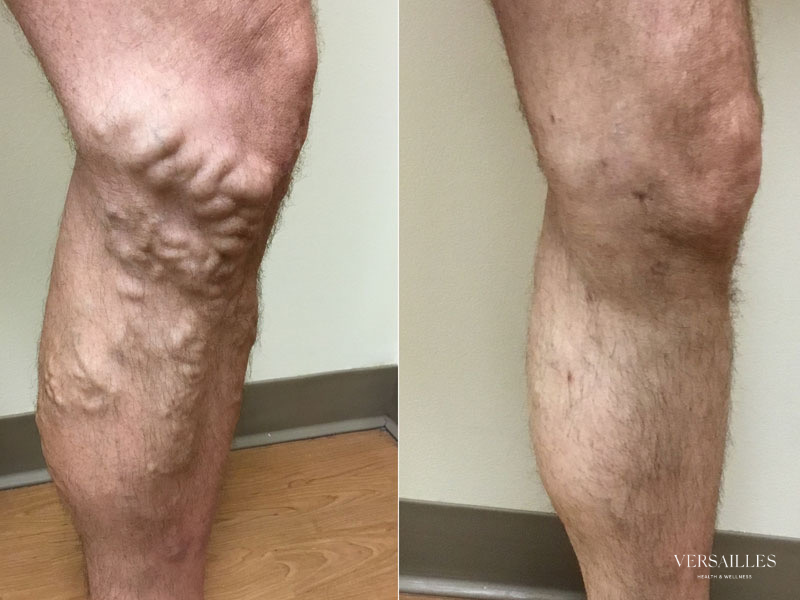
The sealed vein progressively shrinks as it gradually gets absorbed into the body. There will be noticeable changes to the cosmetic appearance of your legs because of the reduction of the bulge.
Spider veins and smaller tributaries that have survived will be subjected to sclerotherapy treatments.
● Long-term
Endovenous Laser Ablation (EVLA) is a very good way to treat varicose veins. It works by sealing off the vein that is affected and sending blood to healthier veins. In most cases, the treated vein stays closed and doesn't reopen, which means that symptoms like pain, swelling, and bulging veins go away for a long time. It's important to know, though, that varicose veins are a long-term problem that can be affected by things like genetics, lifestyle, and vein health. This means that even after EVLA treatment works, there is a good chance that new varicose veins will form in the future.
Keeping your weight down, engaging in physical activities, putting on compression stockings when standing for long periods and going for regular follow-ups can prevent vein complications.
What is the price of laser vein therapy?
This topic cannot be overlooked since the price depends on various factors. We have to mention the price because the range can be quite broad.
● Geographical location
It depends on the city or region where you live. Cities that have a high level of cost of living usually ask for higher prices in the clinic.
● Number of veins treated
The treatment of one leg costs less compared to the two-leg treatment. Treating the leg veins in segments also impacts the price.
● Additional treatments
Combining the two methods, such as sclerotherapy or microphlebectomy, can help treat the condition.
● Facility and provider fees
A procedure performed in a physician's office tends to be cheaper compared to one conducted in a hospital environment specialising in treating veins and has a significant amount of experience.
● General price range
The price of laser treatment of veins may differ significantly, although most commonly, it ranges from $2,000 to $5,000 per leg. This price range may vary, depending on different factors.
● Insurance coverage of laser vein treatment
This is a useful piece of information: many health insurance policies provide coverage for the procedure of Endovenous Laser Treatment, or EVLT, if required for health reasons. Typically, insurance providers require documentation proving necessity before covering the treatment.
● Ultrasound evidence of venous reflux
In general, before proceeding with the treatment, doctors use an attempt to solve the issue by prescribing a certain course of action, such as wearing compression stockings.
● Insufficient measures for sufficient relief
When you get treatments to improve the appearance of your veins, the chances are that such a service will not be covered under any insurance package. Such treatments are generally reserved for veins that need medical attention.
● Advice on cost management
Insurance coverage confirmation. Most vein clinics take care of authorization. Will inform you about coverage prior to the procedure.
● Ask for itemized estimates. You will get all information regarding the price of the procedure, the facility cost, and future costs.
● Check for payment plan availability. It is common for many clinics to have payment plans available for their clients.
● Do not assume you do not have insurance. Let your clinic confirm it for you. You may be surprised at the outcome.
Possible Side Effects and Dangers
Laser vein therapy is quite safe. As with any medical procedure, there are certain risks involved. Understanding them can help make an informed decision.
Common temporary side effects:
Most patients experience a combination of one or several of the following:
Bruising along the vein that received treatment.
Tenderness.
Temporary discoloration of the skin.
Swelling.
A thick band-like feeling at the treated site of the vein
All of these side effects disappear in a few days or weeks.
Other possible concerns
You may experience numbness or a tingling sensation at the place where you were treated due to some nerve irritation.
Superficial thrombophlebitis. Vein inflammation that can be easily managed using non-steroidal drugs and warm bandages.
The possibility of getting a skin burn is extremely low with proper techniques, application, and use of tumescent anesthesia.
Infection at the puncture site does not pose any danger as long as you take good care of the wound.
EVLT Compared to Other Varicose Veins Treatment
You are likely wondering how the EVLT treatment for varicose veins compares with other treatments available today. Here is what we can say about that.
● Radiofrequency Ablation (RFA)
While the EVLT involves closing the affected veins using energy beams, the RFA treatment closes them using radiofrequency waves, which means the only difference is in the source of energy used.
● Sclerotherapy
In this procedure, an injectable solution is introduced into the veins, causing them to shrink and disappear. This procedure works great with spider veins as well as small varicose vein tributaries.
● VenaSeal (adhesive)
The method involves special medical glue to seal the vein from the inside. The advantage of this procedure is the fact that it does not require any tumescent anesthesia. Only one small injection of anesthesia into the body is required in order to avoid pain sensations during the procedure.
● Surgical vein stripping
Varicose veins must be completely removed by surgery. This operation requires incisions and is associated with severe pain sensations. The process cannot be carried out without general anesthesia involving spinal or total anesthesia.
● Compression stockings alone
Treatment using compression stockings is effective in managing the condition but cannot resolve the underlying cause. Health insurers usually mandate a patient’s use of compression stockings before recommending further treatment.
Selecting an Expert Vein Doctor
The outcome of your procedure depends largely on the person performing the procedure. Here are some things you should consider when choosing an expert vein doctor:
● Board-certified and trained
Doctors trained specifically in managing diseases are highly preferred. Surgeons, interventional radiologists, and phlebologists with board certifications have undergone specialized training.
● Laser vein removal experience
How many EVLT procedures has your specialist conducted? More procedures usually mean better results and minimal complications.
FAQs Regarding Laser Vein Therapy
Q: Will the laser therapy ensure that I am rid of the varicose veins permanently?
A: Once the EVLT procedure is conducted, the closed veins will not be able to reopen again. Eventually, the swelling caused by the affected vessels will start to subside, and it may take anywhere between several weeks and several months before this process is complete. This happens because the sealed-off vessels are absorbed by the body itself. You will likely have some veins that are still present despite EVLT. You will have to undergo sclerotherapy in order to treat these remaining veins.
Q: Is the EVLT procedure very painful?
A: According to patients who have had the treatment, EVLT is not a very painful experience. The targeted region is first numbered using anesthesia before the treatment begins. While you will experience a pinching sensation while numbing occurs, during the process itself, you will only feel some pressure and warmth due to the laser. The aftereffects will simply make you feel some soreness in the treatment site.
Q: How long will it take for you to start seeing results after the EVLT procedure?
A: It is common to experience improvement within a few days following the procedure. However, complete disappearance of the vein may occur only after a few months. The reason behind this lies in the fact that the vein will take some time to heal and be entirely removed.
Q: Can laser treatments for varicose veins be performed when pregnant?
A: The standard recommendation for performing laser surgery on varicose veins is to wait until after pregnancy and when breastfeeding has ceased. This is due to the fact that the hormonal changes that occur in women during pregnancy affect veins' behavior. Fortunately, many of the signs of varicose veins that appear during pregnancy tend to resolve themselves after childbirth.
Q: What's It Like To Live Without Varicose Veins?
A: Just think of walking around for hours without feeling that painful heavy weight. Imagine enjoying wearing shorts or minis without worrying that people will see what is under them. How would it be to sleep through the night without getting interrupted due to leg cramps?
Are You Ready to Move to the Next Level?
If you keep suffering from tired and sore legs, it’s time to visit a specialist who will examine you. They’ll conduct tests that include a unique ultrasound exam to determine your condition and select the most appropriate treatment procedure, such as EVLT. Be ready to ask questions. Inquire about the specialists’ experience, expected outcomes, cost, and insurance coverage. The best providers are open to any questions you have. Your legs have served you throughout your life journey. Now it’s time to give them back their strength and comfort.